Computing history does not always move at the speed of discovery. Sometimes a court case is needed to establish whose work lay behind particular ideas.
01 / BEFORE THE DISPUTE
1941: John Mauchly's visit.
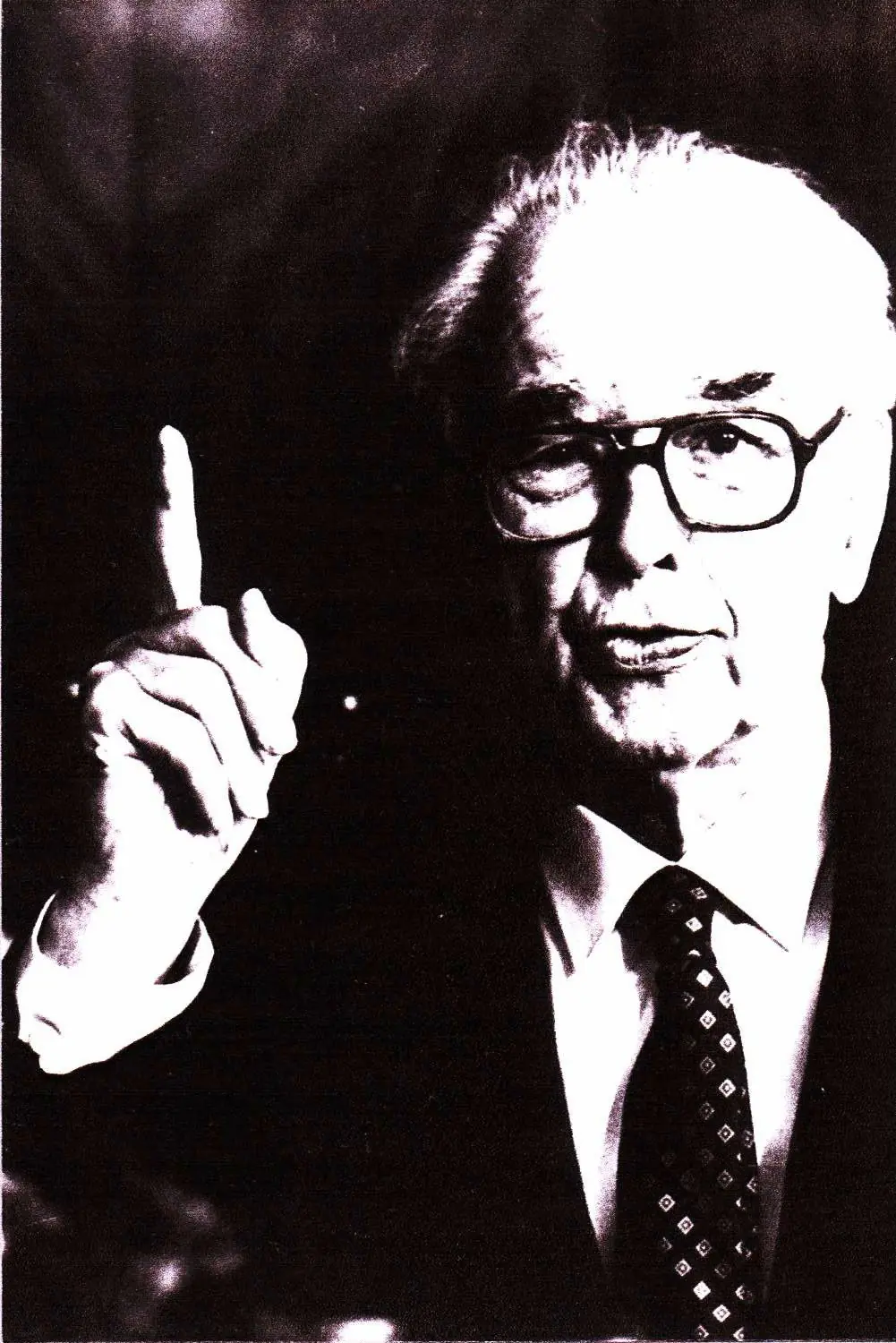
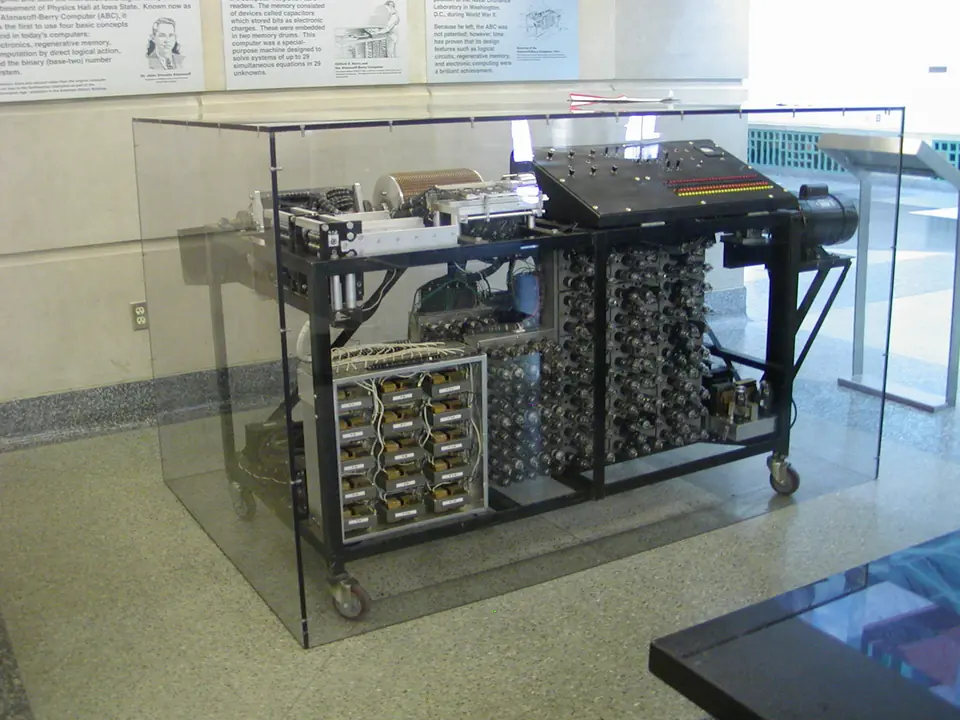
In June 1941, physicist John Mauchly visited Atanasoff in Iowa. He saw ABC and discussed some of its technical ideas with Atanasoff and Berry. Later, Mauchly and J. Presper Eckert helped build ENIAC, an important general-purpose electronic computing system.
Over time, a dispute arose over whether certain ideas claimed in the ENIAC patent had actually originated with Mauchly and Eckert.
02 / THE CASE
Honeywell versus Sperry Rand.
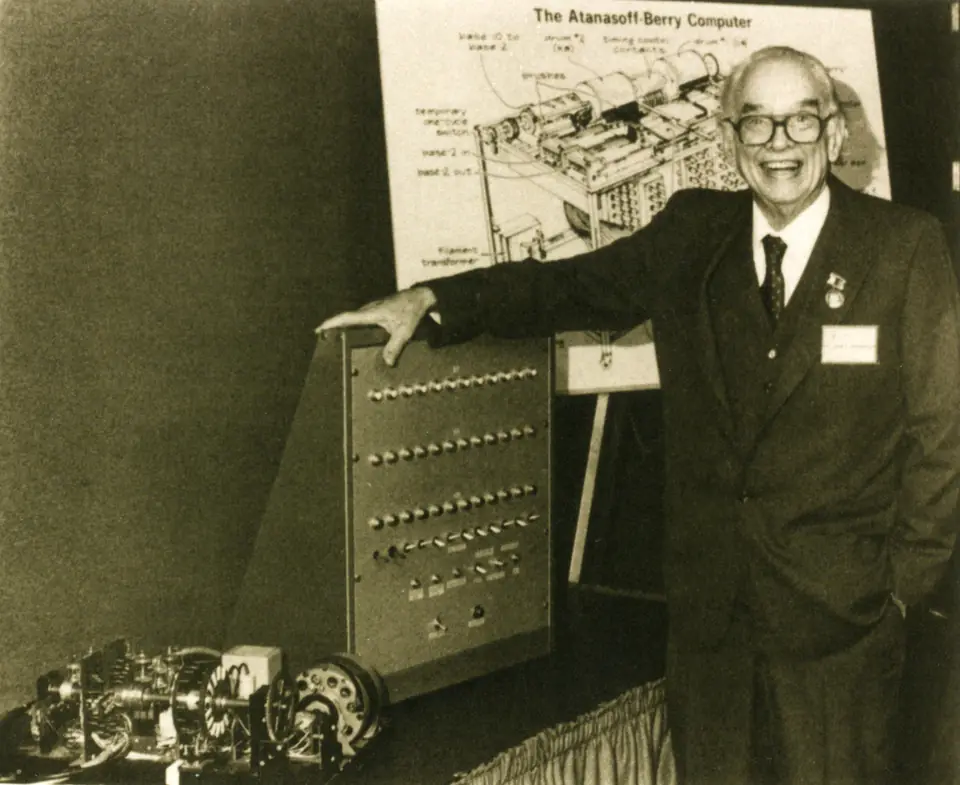
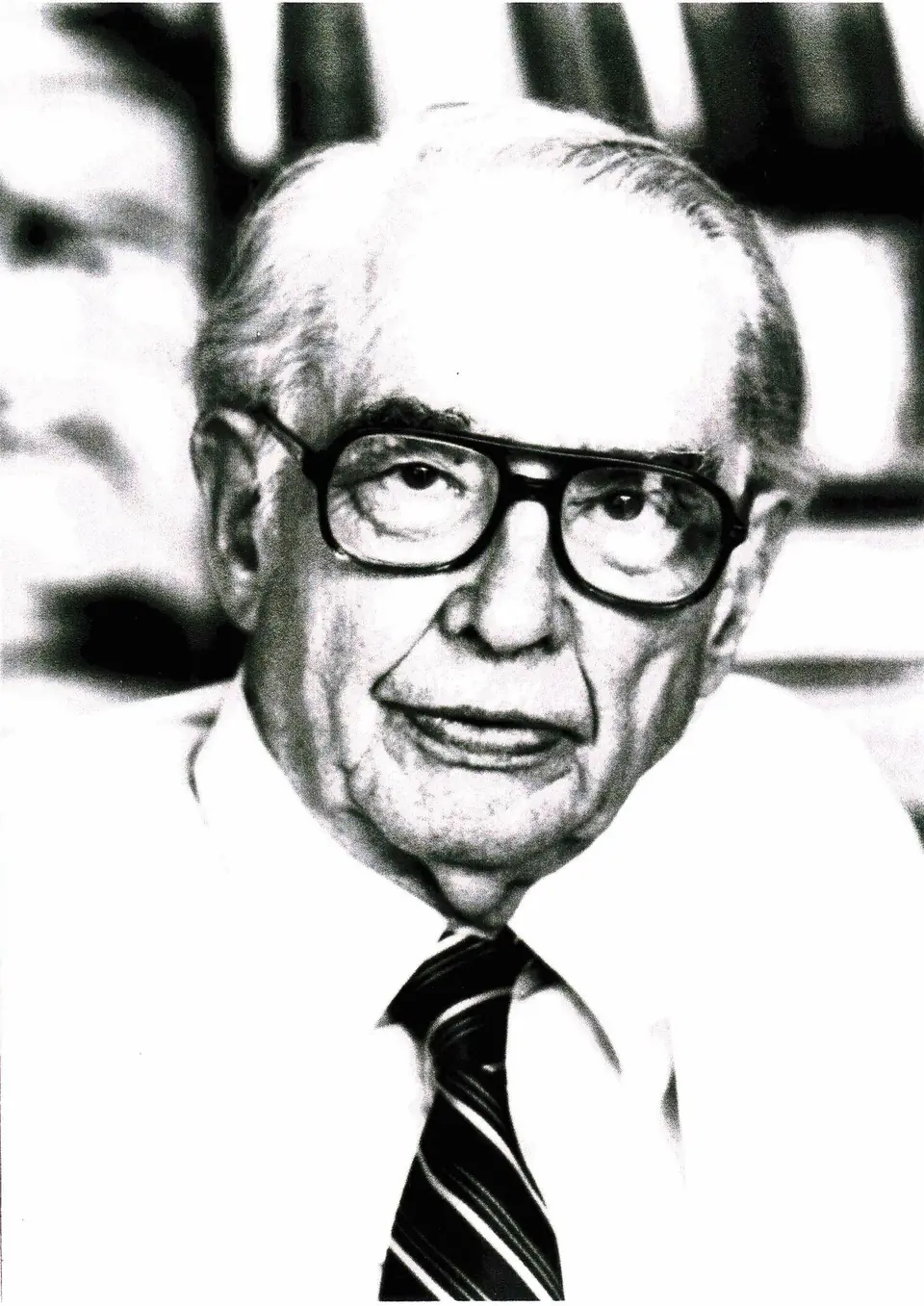
The Honeywell v. Sperry Rand patent dispute began in 1967 and concerned the validity of the ENIAC patent. Atanasoff provided testimony and evidence about ABC, alongside numerous other witnesses and experts.
This was not a contest over which machine was more famous. The questions concerned specific patent claims, concepts and historical evidence.
03 / 19 OCTOBER 1973
The historic decision.
Federal judge Earl Larson ruled that the ENIAC patent was invalid and that important concepts in Mauchly's work had been derived from Atanasoff. The decision helped establish ABC's place in the history of electronic digital computers.
It did not make ABC a general-purpose programmable computer or settle every question in computing history. It did, however, help restore Atanasoff and Berry's rightful place as pioneers of electronic digital arithmetic.