




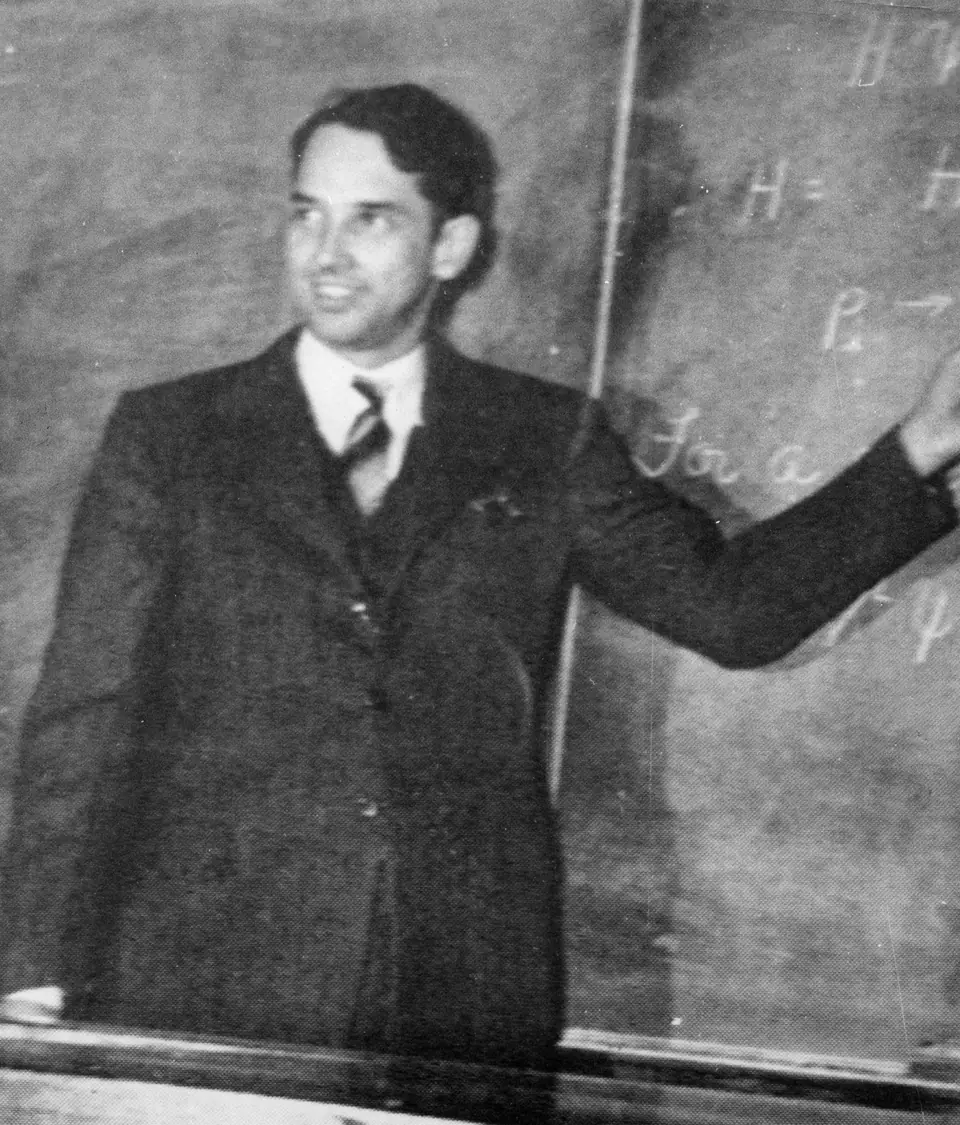
ORIGINS & CHILDHOOD
The boy who loved numbers.
Before the circuits and vacuum tubes, there was a curious boy, a slide rule and a family between two cultures.
The man behind one of the defining ideas of the 20th century.

It began with a practical problem:
calculations were far too slow.
Physicist. Mathematician. Inventor. Son of a Bulgarian immigrant. Together with Clifford Berry, he turned binary logic into a working electronic machine.
John Atanasoff laid the foundations of electronic digital computing. His ABC was one of the first electronic digital computers, although it was not a general-purpose programmable computer like those we use today.
Did you know? In Bulgaria, Atanasoff is especially honoured for his Bulgarian roots and is often called “the father of the computer”.
Born into a large family, he showed an early talent for mathematics and electrical engineering. He earned a degree in electrical engineering, then a master’s degree in mathematics and a doctorate in theoretical physics.
A new era
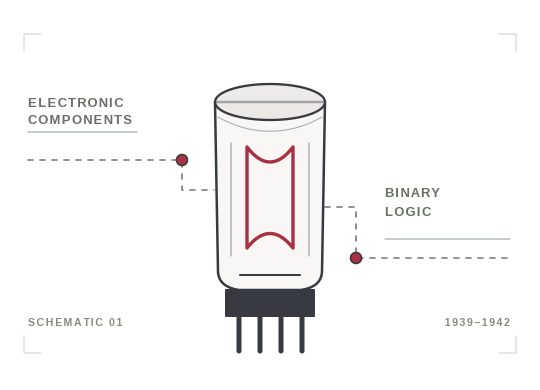
Before machines could begin to think in numbers, Atanasoff and Berry were working on a new way to compute.
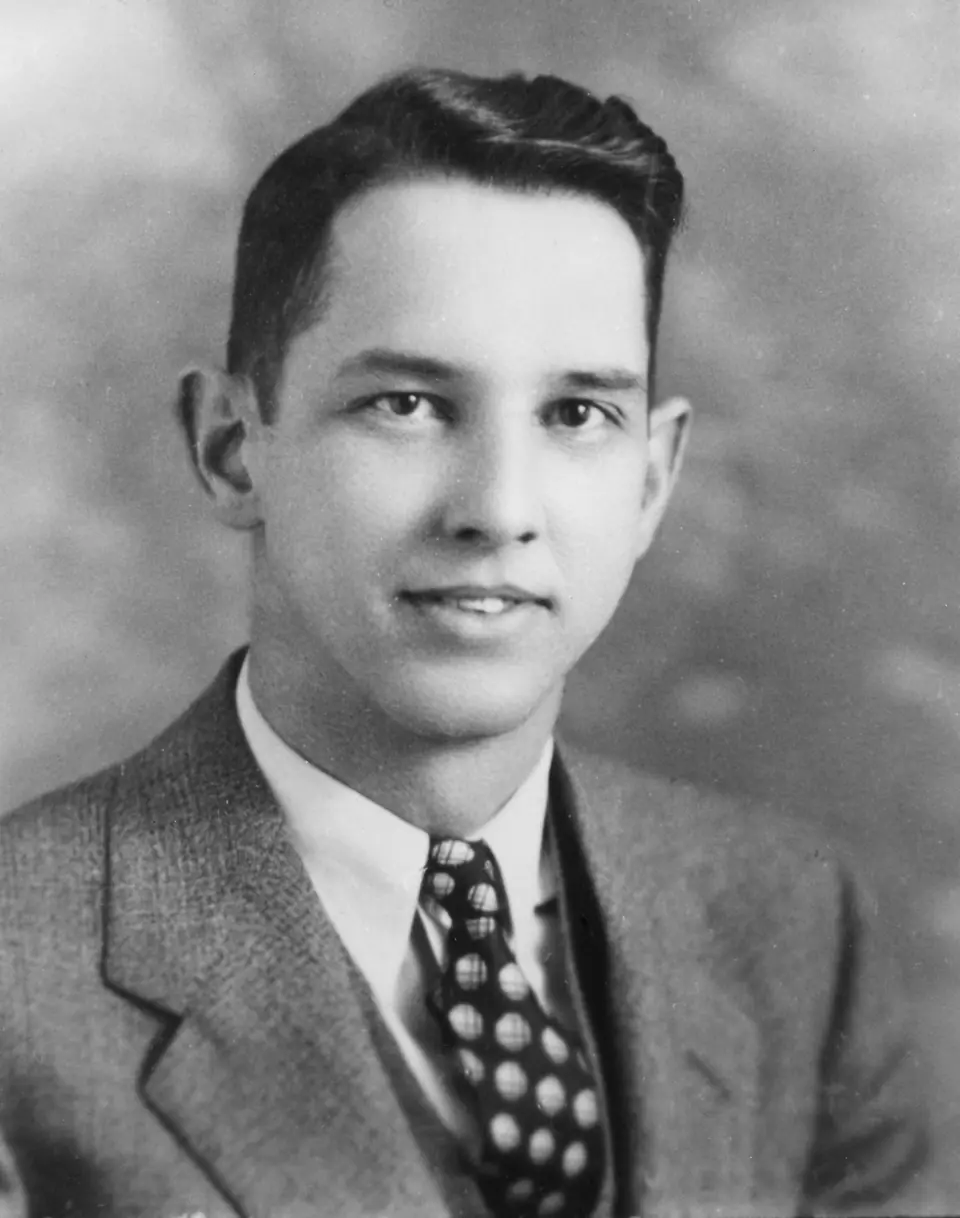
Born in the United States to a Bulgarian immigrant father, Atanasoff studied engineering, mathematics and physics before turning to electronic computation.

1903
Born near Hamilton, New York State. His father, Ivan Atanasoff, was a Bulgarian immigrant and an electrical engineer. His mother, Iva Lucena Purdy, was a teacher. As a child, John discovered the slide rule and became fascinated by logarithms and numeral systems.
Two cultures. One future.
Atanasoff studied electrical engineering in Florida and mathematics in Iowa before earning a doctorate in theoretical physics in Wisconsin.
In the winter of 1937–1938, Atanasoff faced a problem: existing mechanical calculators were far too slow for his work.
He set off in his car without a destination. Eventually, four ideas began to fall into place.
The story of that nightFour connected decisions shaped the ABC: electronic arithmetic, binary numbers, regenerative memory and direct logical operations.
Not just a concept, but a real machine.
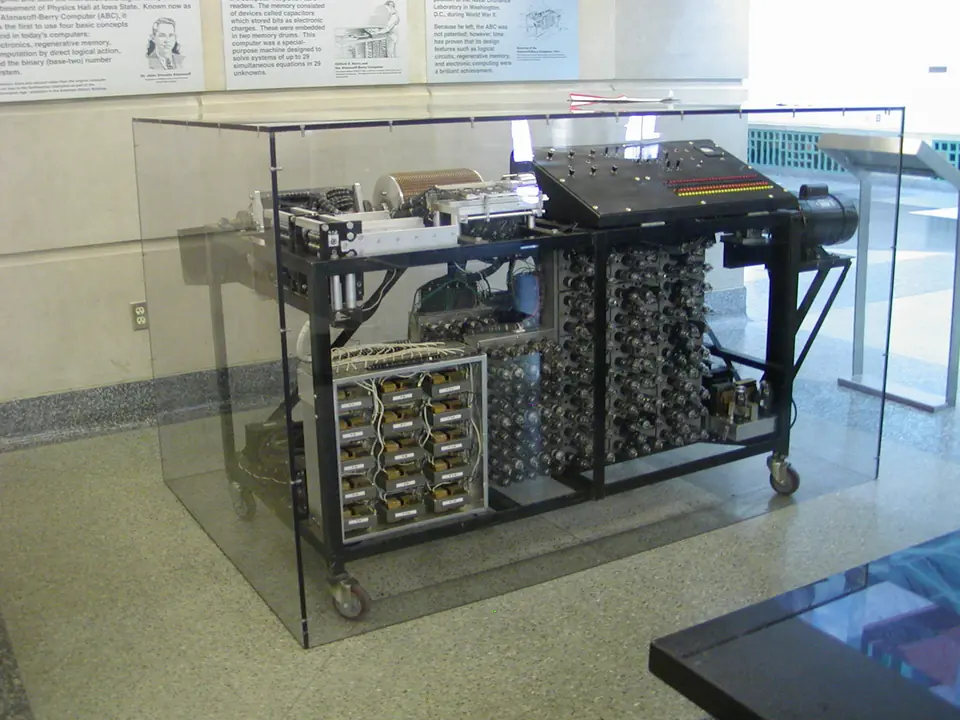
John Atanasoff and the young electrical engineer Clifford Berry built a specialised electronic digital device for solving systems of linear equations.
The story of the ABC
1939Successful demonstration of a working prototype.
29Designed to solve systems of up to 29 unknowns; the full machine did not achieve reliable operation because its intermediate recording and reading system remained problematic.
0/1Binary representation, electronic arithmetic and regenerative memory.
The concept came from John Atanasoff; Clifford Berry played a vital role in its engineering and construction. They worked at Iowa State College until the Second World War interrupted the project.
ABC was not a general-purpose programmable computer, but it demonstrated foundational ideas in electronic digital computing.
Binary numbers were central to ABC. Try it yourself: switch bits on or off and see how the number changes.
Mini laboratory / 001
Each switch represents one bit. On means 1, off means 0. The number is the sum of the active bit values.
* This uses a modern eight-bit representation for learning. It is not an exact simulation of ABC's architecture.
DECIMAL NUMBER00101010
32 + 8 + 2 = 42
Interactive exhibit / 002
Three paths into the engineering ideas: equations, binary arithmetic and memory. These are educational models, not a hardware-accurate ABC simulation.
Enter coefficients for two equations in x and y. Select “Solve” and follow the elimination method to the answer.
Add two positive 8-bit numbers. The ninth bit records a carry when the total exceeds 255.
In the ABC, bits were held as electrical charge in capacitors arranged on rotating drums. As charge decays, it must be periodically refreshed.
Cells are refreshed in sequence.
Science note: these demonstrations explain individual ideas from the ABC’s design and arithmetic through simplified modern models. The historic machine was special-purpose and not programmable.
The original ABC was dismantled. Its ideas endured. Decades later, Atanasoff and Berry's place in computing history was reassessed.

Honeywell v. Sperry Rand
1973
On 19 October, a US federal court held the ENIAC patent invalid and found that important ideas in electronic digital computing derived from Atanasoff's work.
What did the court decide?19 October 1973Minnesota, USA
1970First Class Order of Cyril and Methodius, Bulgaria.
1984Computer Pioneer Award, IEEE Computer Society.
1990US National Medal of Technology.
Some discoveries are ahead of their time. International honours came decades after the first ABC prototype.
Explore the honours1990
President George H. W. Bush presented Atanasoff with one of the United States' highest technology honours.
ORIGINS & CHILDHOOD
Before the circuits and vacuum tubes, there was a curious boy, a slide rule and a family between two cultures.
THE BIRTH OF AN IDEA
Frustrated by slow calculations, Atanasoff drove towards Illinois. Along the way, his thoughts began to come together.
MATHEMATICS & TECHNOLOGY
Electronics, binary numbers, regenerative memory and logical operations: four deceptively simple ideas that created a new kind of machine.
THE INVENTION
Two researchers. Hundreds of vacuum tubes. One unusual machine, built for a problem that other devices struggled to solve.
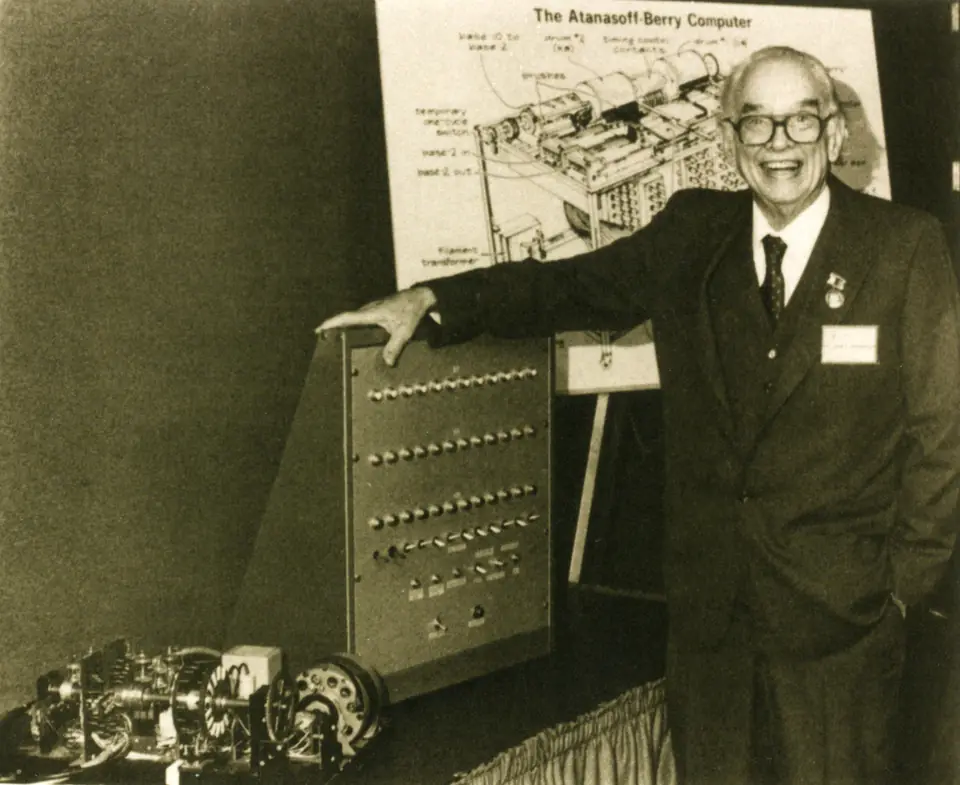
THE PEOPLE BEHIND THE MACHINE
Clifford Berry was a gifted young engineer. Without him, Atanasoff's concepts might never have become a working electronic system.
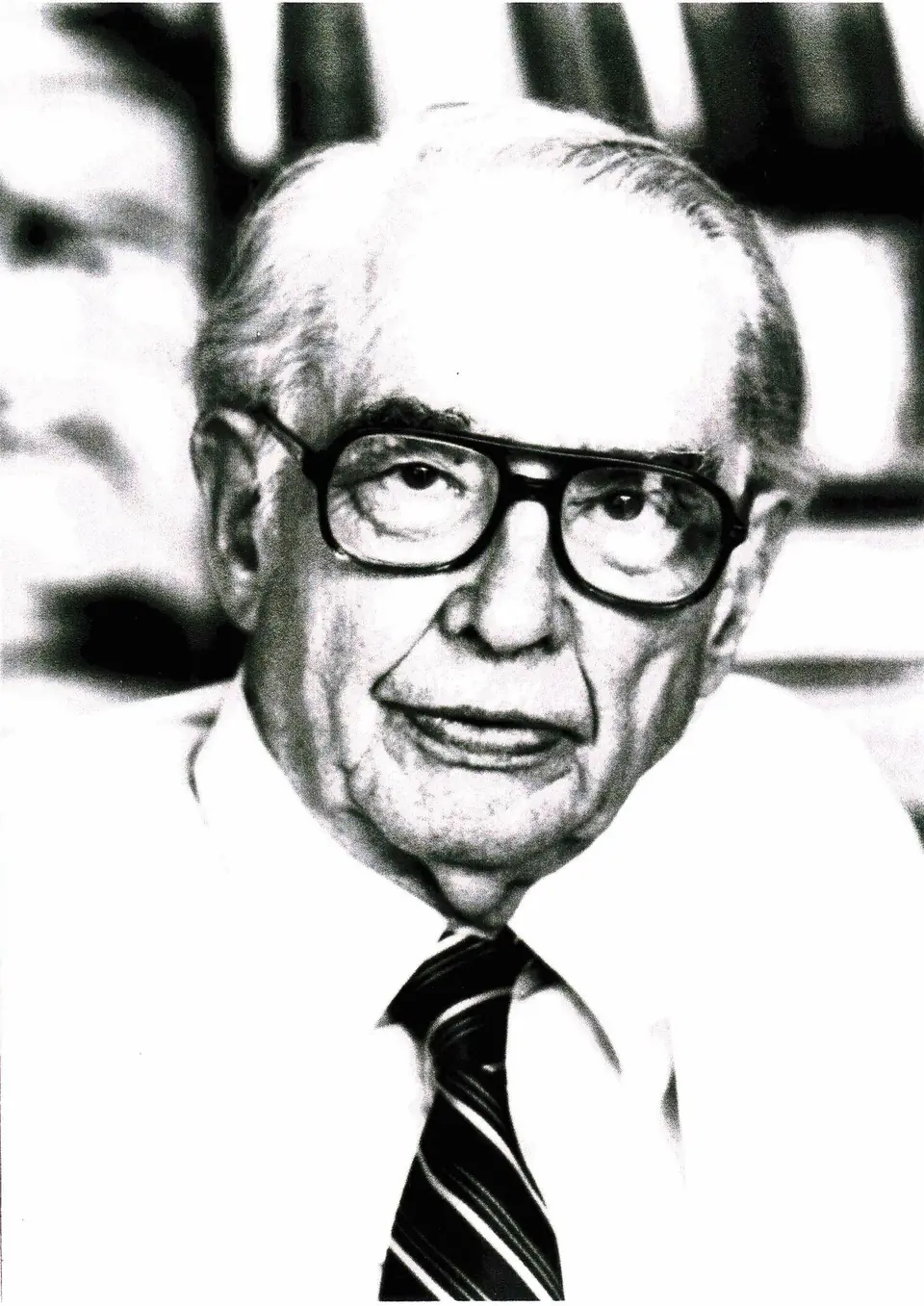
AN OVERLOOKED CONTRIBUTION
Decades after the project began, ABC became central to a court case that revisited claims about the origins of electronic computing.
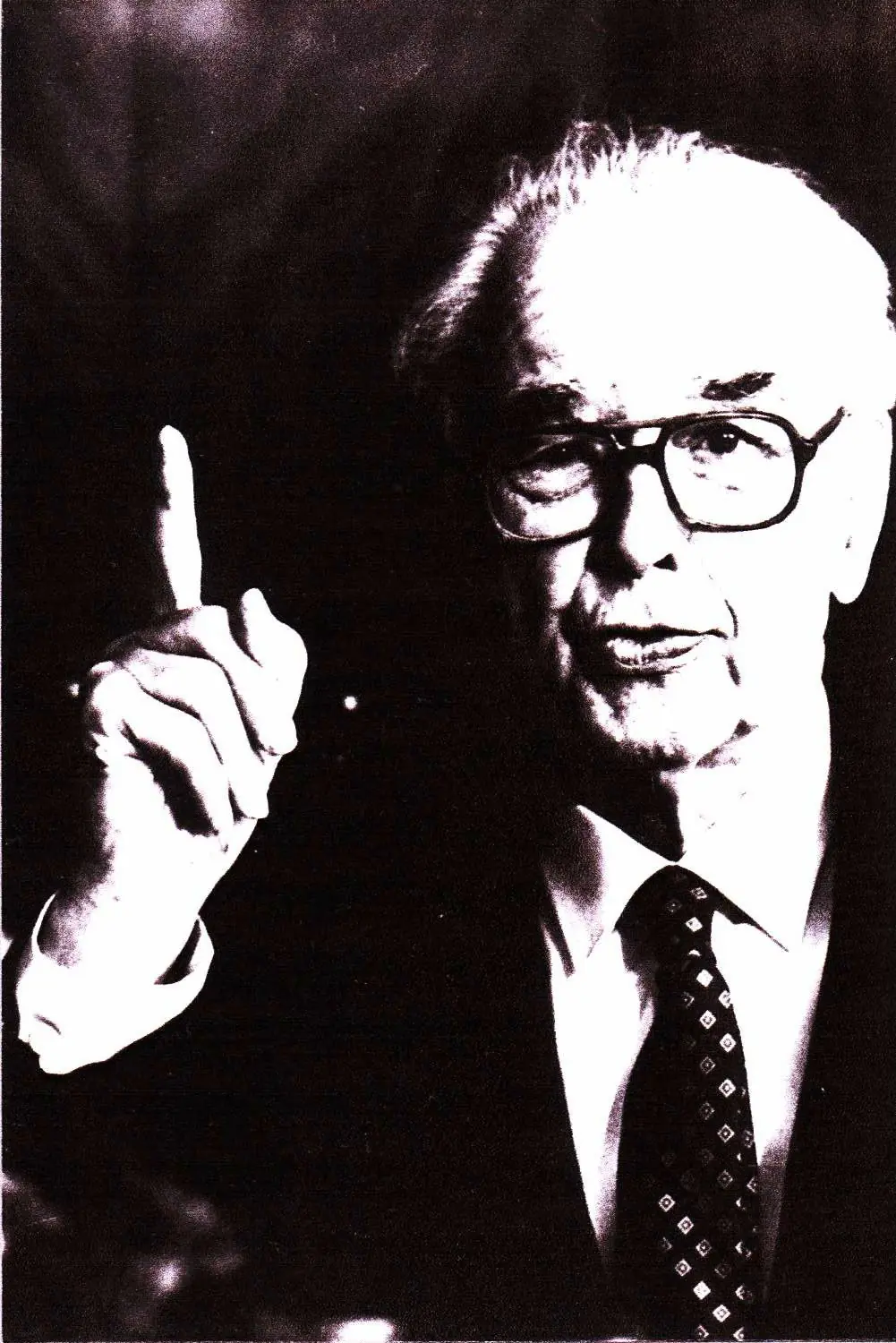
HONOURS & LEGACY
From Bulgaria's Order of Cyril and Methodius to the US National Medal of Technology, the awards tell another chapter of Atanasoff's life.
Genuine archival images and historical objects.


Documents / Sources / Engineering drawings
Explore fifteen records from the Iowa State archive, with identifiers, dates, authors and rights notices.
